
Biting Fly Program
The Rural Municipality of Eastern Kings runs an annual Biting Fly Program to control black fly and mosquito populations within the municipality. The goal is simple: to keep residents, visitors, children, pets, and animals as free as possible from the discomfort, harmful reactions, and health risks caused by biting insects.
Employment Opportunities
The 2026 Municipal Biting Fly Program positions are now filled. Please check back next season for any upcoming opportunities!
Why This Program Matters
Before this program began nearly 30 years ago, biting flies were a serious problem in Eastern Kings. During peak seasons, people were forced to sprint from their cars to their homes to escape swarming insects. Some residents required medical attention after being exposed outdoors for just a few seconds. The spring and summer months were miserable for many locals and visitors, and the health risks were real.
Today, the program has brought the majority of local fly species under control. Eastern Kings is a more comfortable and enjoyable place to be outdoors because of this ongoing work. Keeping it that way requires continuous effort and a little help from every resident.
How the Program Works
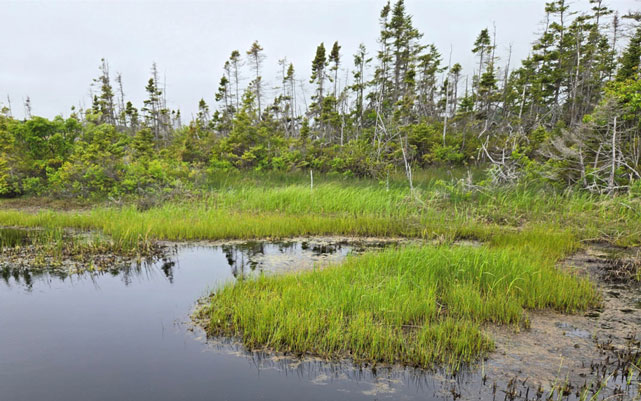
Two trained and certified field workers are employed seasonally to assess ponds, streams, and wetlands throughout the municipality and apply appropriate treatments. Workers travel in pairs for safety, given the remote terrain and the presence of coyotes in some areas.
The program uses environmentally responsible treatment products, including VectoBac and Mosquito Less, which are targeted and effective without posing risks to people, pets, or the broader environment. Four-wheelers are used to reach areas where ordinary vehicles cannot go, allowing workers to cover the territory efficiently.
The program treats both black fly and mosquito populations, with treatment methods tailored to each species. Ongoing research is part of the program. Some mosquito species cannot yet be controlled without resorting to chemicals the program does not use, and the team continues to monitor developments in safer, more effective products.
What You Can Do
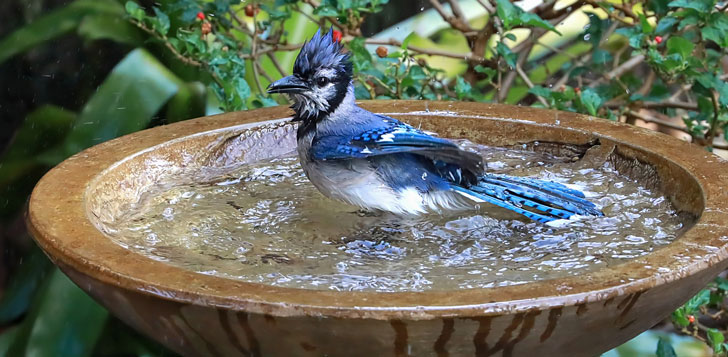
The program covers municipal land, but biting flies breed in standing water on private property too. Small changes around your home can make a real difference in reducing local populations.
- Change the water in birdbaths daily.
- Cover water barrels and rain collection containers.
- Empty any water that collects in old tires, buckets, children’s toys, and eavestroughs.
- Cover wading pools and swimming pools when not in use.
- Check for water collecting in holes in trees or low-lying areas on your property.
Even small amounts of standing water can become breeding grounds. The more residents take these steps, the better the results for the whole community.
Program Resources
The following documents are available for residents who want to learn more about biting fly species, treatment methods, and the science behind the program.
The Black Fly Fauna of Prince Edward Island (research paper)
Biting Fly Species and Information Chart
Everything You Need to Know About BTI (the active ingredient in VectoBac)
Black Flies species reference
Mosquitoes species reference
Atlantic Canada Pesticide Applicator Training Manual (Class B — Mosquito and Biting Fly)
For questions about the Biting Fly Program, contact the Municipal Office.